
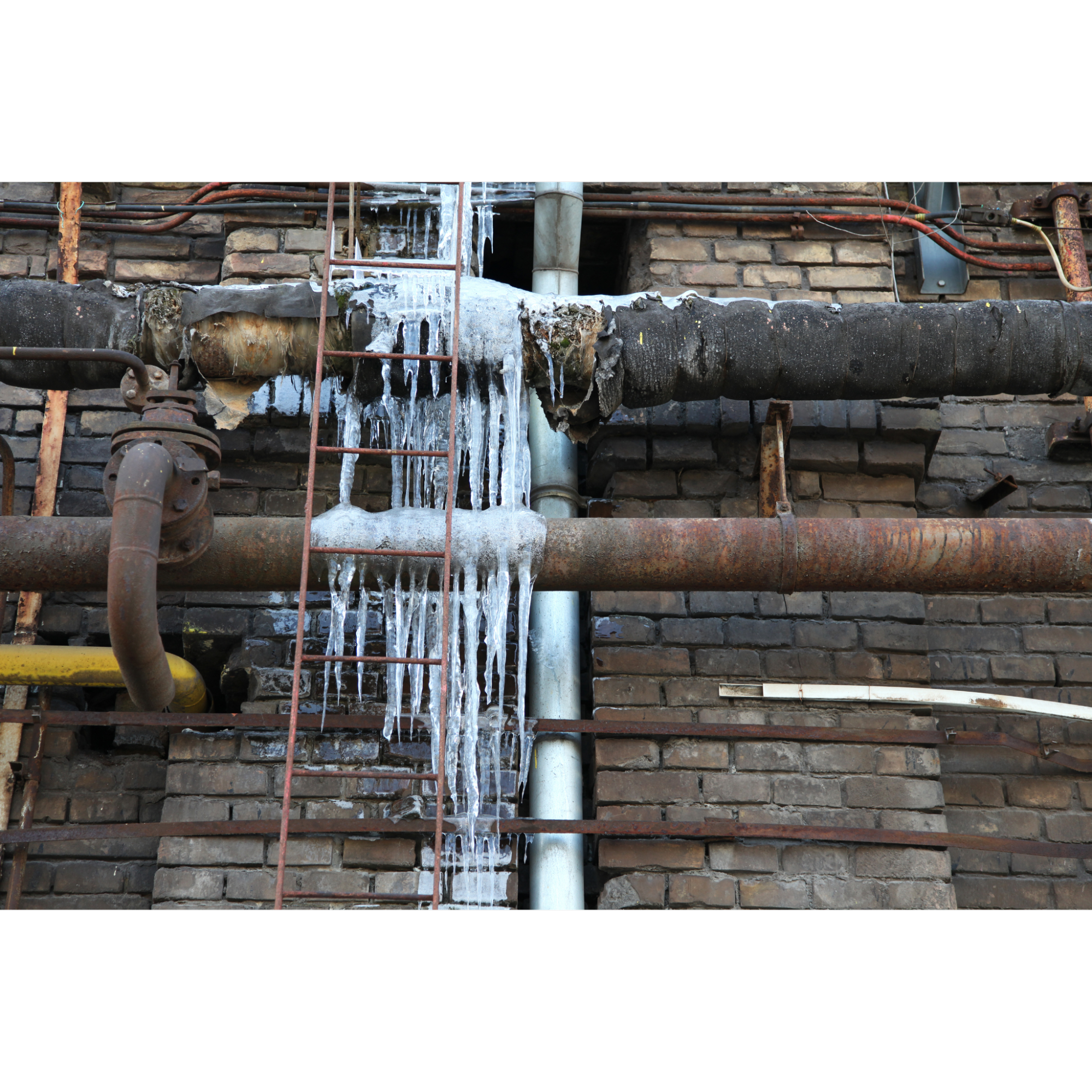
Winter weather brings freezing temperatures, snowstorms, and unpredictable conditions that can put major stress on your home’s plumbing and heating systems. Taking the time to prepare before winter fully sets in is one of the best ways to avoid costly repairs, maintain comfort, and keep your home safe throughout the season. Learning how to prevent frozen pipes in winter, understanding the importance of furnace upkeep, and knowing why your furnace smells when turning on will help you protect your home and ensure that everything runs smoothly even on the coldest days. Here are the essential steps every homeowner should take this season.
How to Prevent Frozen Pipes in Winter and Protect Your Home
Frozen pipes are one of the most common and costly winter plumbing issues. When temperatures drop below freezing, water inside exposed or poorly insulated pipes can solidify, expand, and cause the pipe to burst. A burst pipe can lead to significant water damage, structural issues, and expensive emergency repairs. Fortunately, there are simple steps you can take to prevent frozen pipes in winter and keep water flowing smoothly.
Start by identifying at-risk pipes in your home. Pipes located in basements, attics, crawl spaces, garages, or exterior walls are more likely to freeze. Insulating these pipes with foam sleeves or heat tape helps maintain water temperature and prevents ice from forming. Keeping cabinet doors open under sinks, especially those on exterior walls, allows warmer air to circulate around the pipes.
Maintaining consistent indoor heat is also essential. Even if you plan to be away, avoid lowering your thermostat too much. Setting the temperature at 55 degrees or higher ensures that interior spaces remain warm enough to protect plumbing in vulnerable areas. During extremely cold nights, letting faucets drip can help reduce pressure inside pipes and prevent freezing.
Sealing air leaks around windows, doors, and foundation gaps adds another layer of protection. Cold drafts can cause nearby pipes to drop in temperature rapidly. Caulk, weatherstripping, and insulation can help keep cold air out and warm air inside. Taking these steps early helps prevent frozen pipes in winter and reduces the likelihood of unexpected plumbing emergencies.
Furnace Maintenance Tips for Winter to Keep Your Home Safe
Your furnace works hardest during the winter months, which makes routine maintenance essential for performance, safety, and energy efficiency. Following key furnace maintenance tips for winter can help reduce breakdowns, lower energy costs, and keep your home comfortable all season long.
Replacing the furnace filter is one of the simplest and most important maintenance tasks. A dirty or clogged filter restricts airflow, forcing the furnace to work harder and increasing the risk of overheating. Most filters should be changed every one to three months depending on usage, household size, and whether you have pets.
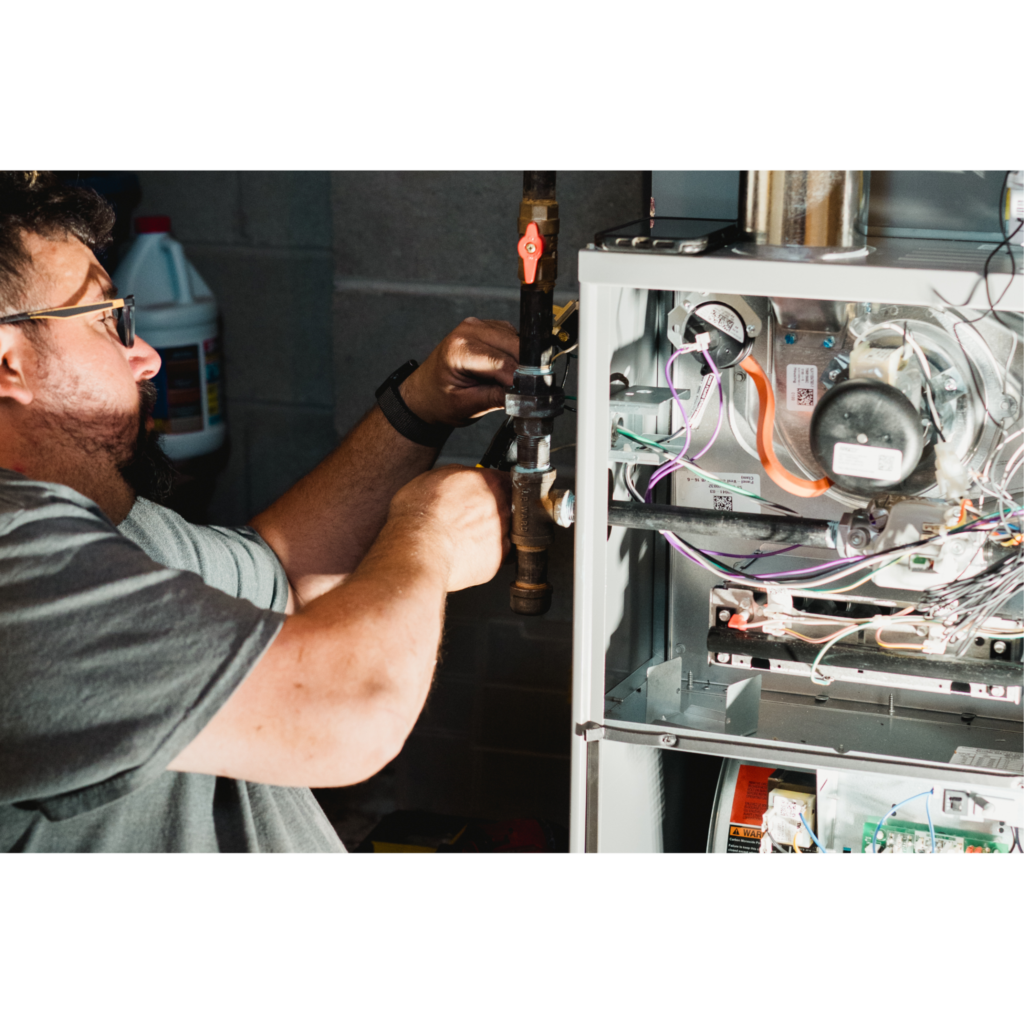
It’s also important to check your thermostat to ensure it’s functioning properly. If your furnace cycles on and off frequently or if your home feels colder than the thermostat reading, you may need calibration or replacement.
Before the winter season, schedule a professional furnace inspection. Technicians check for carbon monoxide leaks, worn components, ignition problems, and safety hazards that may not be visible to homeowners. This not only improves efficiency but also reduces the risk of mid-season breakdowns during the coldest weather.
Finally, keep the area around your furnace clear. Removing clutter improves airflow, reduces fire hazards, and makes maintenance easier. Following these furnace maintenance tips for winter helps ensure reliable heating when you need it most.
Why Your Furnace Smells When Turning On
Many homeowners notice unusual odors the first time the heat kicks on for the season. Understanding why your furnace smells when turning on can help you determine whether the issue is normal or requires attention.
A dusty smell is the most common odor and typically occurs when dust accumulates on the heat exchanger during warmer months. As the furnace warms up, the dust burns off and creates a temporary smell that usually disappears within a few hours.
If the smell resembles burning plastic or electrical wiring, it may indicate an overheated component or damaged wiring. This requires immediate professional inspection. Likewise, any sulfur or rotten egg smell should be treated as a potential gas leak. If you notice this, turn off the furnace, leave the home, and contact emergency services immediately.
A musty or damp smell may indicate mold growth in ductwork or around the furnace itself. Winter humidity changes can worsen indoor air quality, making it important to keep ducts clean and address moisture issues. Understanding why your furnace smells when turning on helps you respond quickly and ensures your heating system remains safe throughout winter.
Preparing your home for winter requires attention to both plumbing and heating. When you take steps to prevent frozen pipes in winter, follow furnace maintenance best practices, and understand furnace odors, you protect your home from costly damage and improve your family’s comfort. For expert winter plumbing and furnace support, Alexander Plumbing Heating and Air Conditioning is here to assist you with inspections, repairs, and seasonal maintenance. To schedule an appointment or request service, visit our contact page.
